
- August 15, 2025
- Boating Safety
- Safety Tips for Boating During Bad Weather Stay Safe on Rough Seas
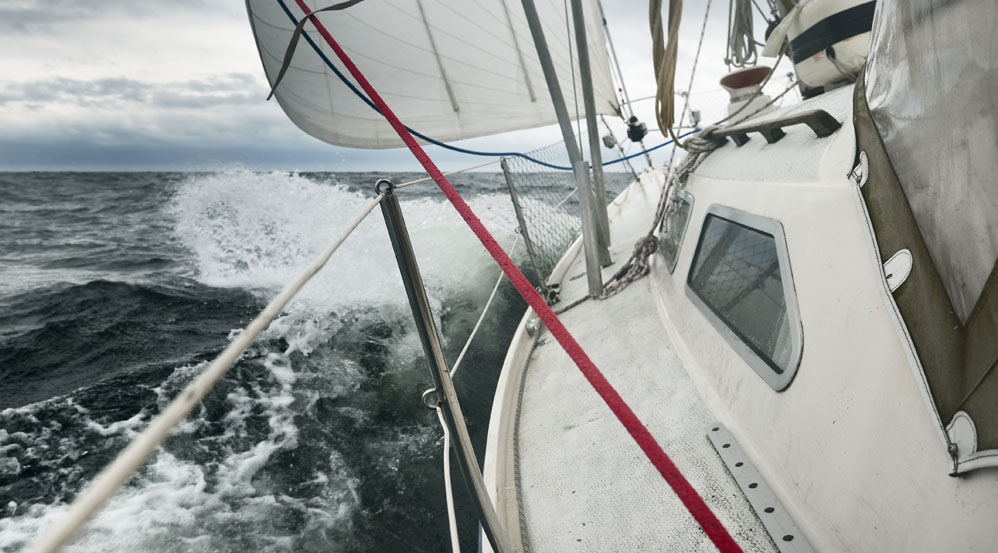
When you’re out on the open water, weather conditions can change in a matter of minutes. A sunny day can quickly turn stormy, and rough seas can be dangerous for even the most experienced boaters. Being prepared and knowing how to react can make all the difference when it comes to protecting yourself, your passengers, and your vessel.
Here are essential safety tips to follow if you encounter bad weather while boating in the ocean.

1. Check the Forecast Before You Go
Prevention is your first line of defense. Always check marine weather forecasts before heading out. Look for warnings about high winds, thunderstorms, or hurricanes. Use reliable resources like NOAA Weather Radio or trusted weather apps and pay attention to updates while on the water.
Pro Tip: If you’re unsure about the weather, postpone your trip. It’s better to be safe on land than caught in a storm at sea.
2. Wear Life Jackets — Always
Bad weather increases the risk of falling overboard. Ensure that everyone on board is wearing a properly fitted life jacket, not just keeping it nearby. This is one of the simplest and most effective ways to stay safe.
3. Slow Down and Stabilize
When the waves pick up, reduce your speed to maintain control of the boat. Avoid making sharp turns and try to keep the bow pointed into the waves at a slight angle to minimize rolling and pounding.
Important: Never try to outrun a storm unless you are sure you can make it safely to shore.
4. Secure Loose Items
Loose gear can become dangerous projectiles in rough seas. Stow or tie down anything that might shift, including coolers, fishing gear, and personal items. This prevents injuries and keeps your deck clear.
5. Keep Communication Open
Have at least one reliable way to communicate with the Coast Guard or nearby vessels. A VHF marine radio is more dependable than a cell phone offshore. Learn how to send a distress call (MAYDAY) and have your vessel’s information ready.
6. Monitor Your Position
Use your GPS or chart plotter to track your location. If you lose visibility, knowing your position will help rescuers find you faster if you need assistance.
Tip: Always have paper charts and a compass on board as a backup in case electronics fail.
7. Balance the Load
Distribute weight evenly on the boat to keep it stable in heavy seas. Ask passengers to stay low and toward the center of the boat to reduce the risk of capsizing.
8. Be Prepared to Drop Anchor
In extreme situations where you cannot safely navigate, anchoring can help keep the bow pointed into the waves and prevent drifting toward hazards.
9. Stay Calm and Communicate
Panic can make a bad situation worse. Stay calm, give clear instructions to your passengers, and focus on one task at a time. Your confidence will help everyone stay collected.
10. Have an Emergency Kit
Every boat should be equipped with:
- Flares and signaling devices
- A first aid kit
- A flashlight with extra batteries
- Extra water and emergency rations
- A fully charged handheld VHF radio
The Bottom Line
Bad weather at sea can be intimidating, but preparation and quick thinking can keep you safe. Always respect the power of the ocean, plan ahead, and make safety your top priority.
A safe boating trip is a successful one — no matter the weather.