
- January 14, 2026
- Ships In History
- The Largest Ships in History: Giants of the Sea
Since the dawn of global trade, nations and companies have competed to build bigger, stronger, and more efficient ships. From colossal oil tankers to record-breaking container vessels, these engineering marvels represent the peak of human ambition on water. Here’s a look at some of the largest ships ever built—and how they changed maritime history.
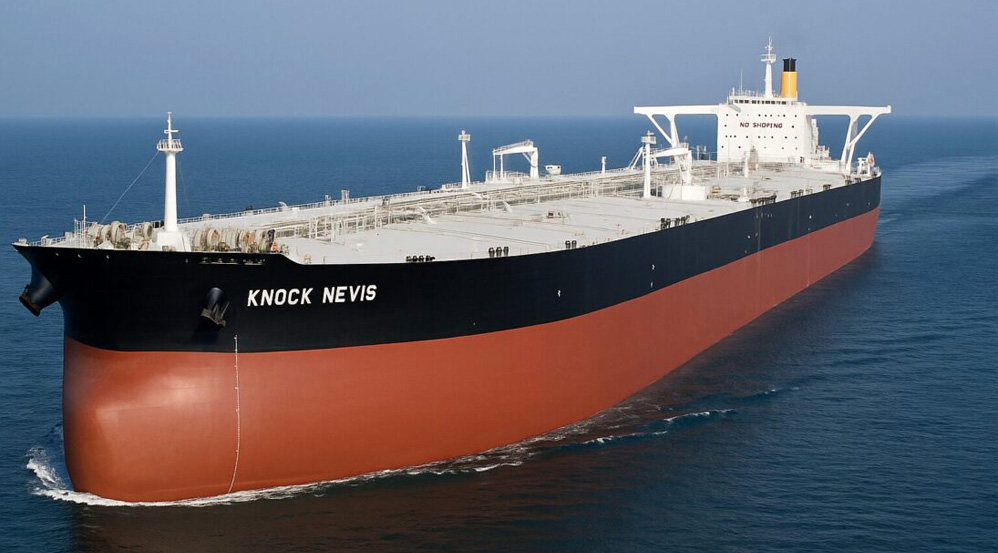
Seawise Giant (Knock Nevis)
The Largest Ship Ever Built
If size alone defines greatness, Seawise Giant holds the crown.
- Type: Ultra Large Crude Carrier (ULCC)
- Length: 1,504 feet (458.45 meters)
- Deadweight Tonnage: 564,763 DWT
- Built: 1979
Originally built in Japan, the Seawise Giant was later renamed Knock Nevis. At full load, it was so massive that it could not pass through the Suez or Panama Canals. It required deep-water ports and special routing due to its draft.
Fun fact: It was longer than the height of the Empire State Building.
The ship was scrapped in 2010, but it remains the largest ship ever constructed.
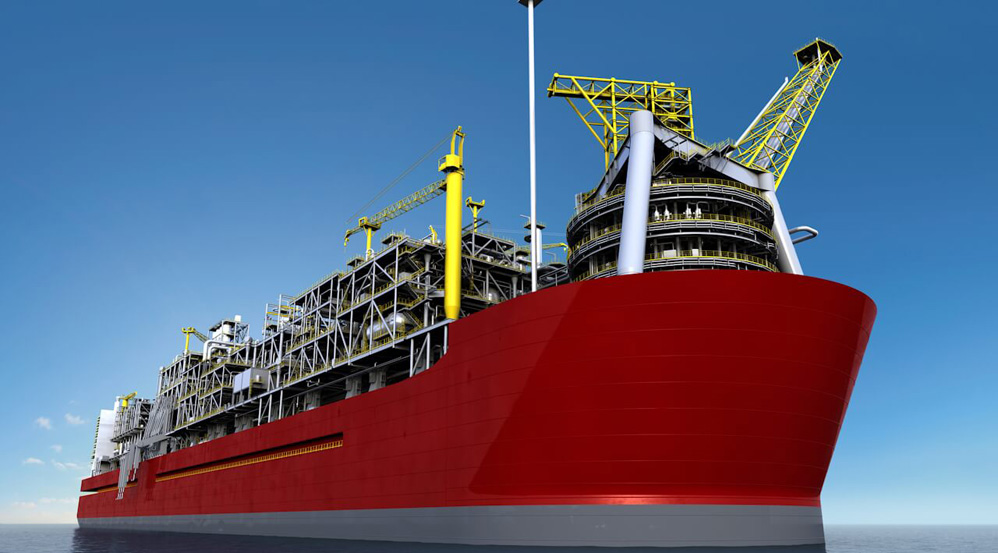
Prelude FLNG
The Largest Floating Structure Ever Built
Operated by Royal Dutch Shell, Prelude FLNG isn’t a traditional ship—it’s a floating liquefied natural gas facility.
- Length: 1,601 feet (488 meters)
- Width: 243 feet
- Weight (fully loaded): ~600,000 tons
It’s longer than four soccer fields and designed to remain stationed offshore for decades while extracting and processing natural gas at sea.
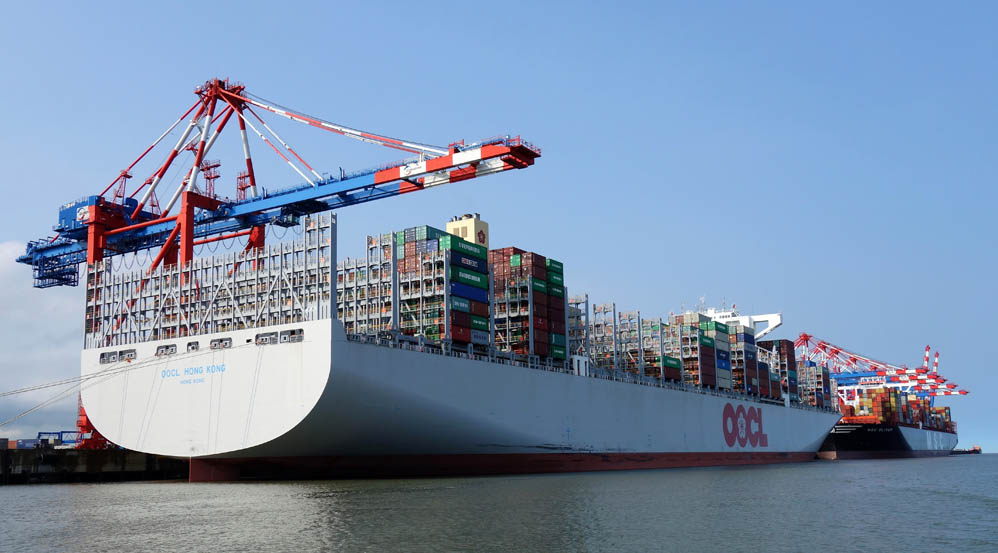
OOCL Hong Kong
A Record-Breaking Container Ship
Built in 2017, this vessel became one of the largest container ships in the world at the time of launch.
- Length: 1,312 feet (399.9 meters)
- Capacity: 21,413 TEU (Twenty-foot Equivalent Units)
It symbolizes the era of mega-container ships that dominate global trade routes between Asia, Europe, and North America.
Ever Alot
The Largest Container Ship by Capacity
As of the early 2020s, Ever Alot took the container capacity record.
- Capacity: 24,004 TEU
- Length: 1,312 feet (399.99 meters)
Ships like Ever Alot reflect how global trade continues to push shipbuilders to maximize cargo space while maintaining fuel efficiency and environmental compliance.
Pioneering Spirit
The Heavy Lift Champion
This catamaran-style construction vessel is the largest by gross tonnage.
- Gross Tonnage: ~403,000 GT
- Purpose: Offshore platform installation and removal
It can lift entire oil platforms in a single piece—something previously thought impossible.
Why Ships Keep Getting Bigger
There are several reasons maritime engineers continue to scale up:
- Economies of Scale – Larger ships move more cargo per voyage, reducing cost per unit.
- Globalization – Modern trade networks demand high-capacity vessels to keep goods flowing efficiently.
- Fuel Efficiency – Bigger ships can be more fuel-efficient per ton of cargo compared to smaller vessels.
The Limits of Size
Despite engineering advances, ship size faces real constraints:
- Port infrastructure limitations
- Canal dimensions (like the Panama Canal and Suez Canal)
- Environmental regulations
- Maneuverability and safety concerns
Recent incidents have shown how even a single large vessel can disrupt global trade if something goes wrong.
Final Thoughts
The largest ships in history are more than just floating steel—they represent global commerce, technological progress, and the relentless drive for efficiency. From the oil-dominated era of supertankers like Seawise Giant to today’s container mega-ships and offshore giants, these vessels tell the story of how the modern world moves.
As shipbuilders continue innovating with greener fuels, advanced hull designs, and smarter navigation systems, the next generation of record-breaking ships may not just be bigger—but cleaner and more efficient as well.