
- January 21, 2026
- Ships In History
- The Fastest Ships in History: Speed Demons of the Sea
For centuries, speed at sea meant survival, dominance, and prestige. From record-breaking ocean liners to cutting-edge military vessels, the race for maritime speed has produced some of the most fascinating ships ever built. Here’s a look at the fastest ships in history—and the engineering that made them possible.
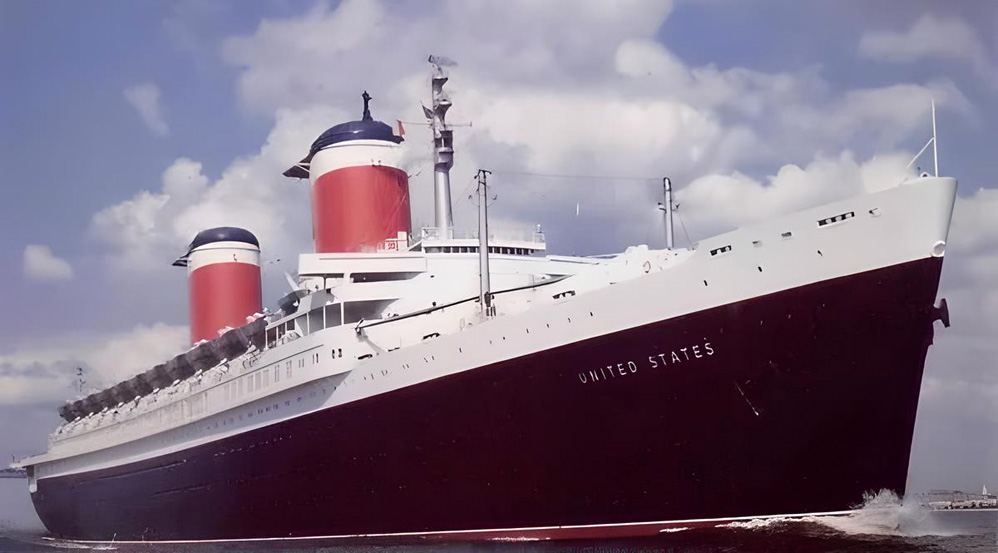
SS United States
The Fastest Ocean Liner Ever Built
When it comes to transatlantic speed, no passenger liner has ever beaten SS United States.
- Year Launched: 1952
- Top Speed (Sea Trials): ~38.3 knots
- Service Speed: ~36 knots
Built during the Cold War, the ship was designed to be converted into a troop transport if needed. Its lightweight aluminum superstructure and powerful steam turbines made it a record-breaker.
It still holds the Blue Riband for the fastest transatlantic crossing by an ocean liner—an achievement that remains unmatched more than 70 years later.
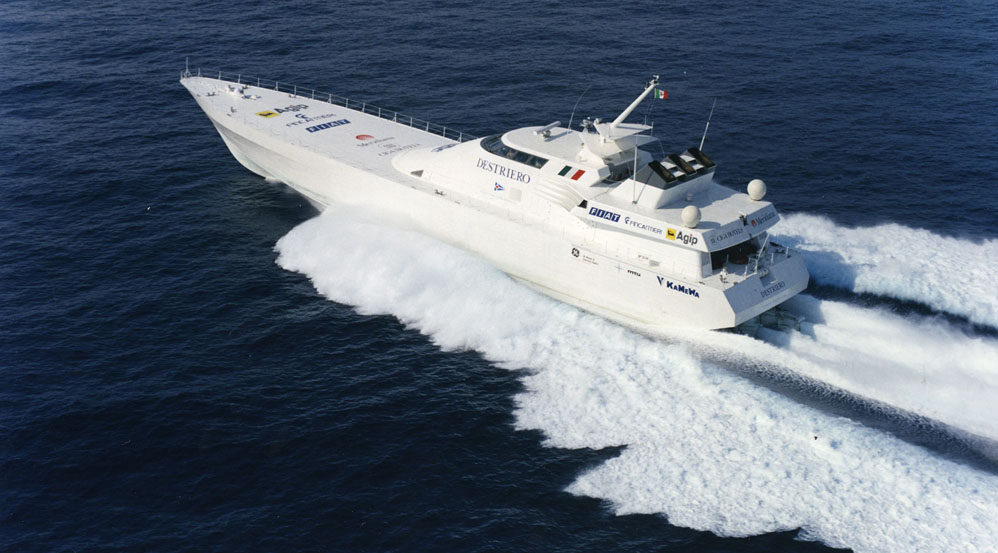
Destriero
Fastest Transatlantic Crossing by a Ship
In 1992, Destriero stunned the maritime world:
- Average Speed: 53.09 knots
- Crossing Time (Atlantic): 58 hours, 34 minutes
- Fuel Stops: None
Powered by gas turbines similar to those used in naval vessels, this high-performance yacht broke the transatlantic speed record without refueling—an incredible engineering accomplishment.
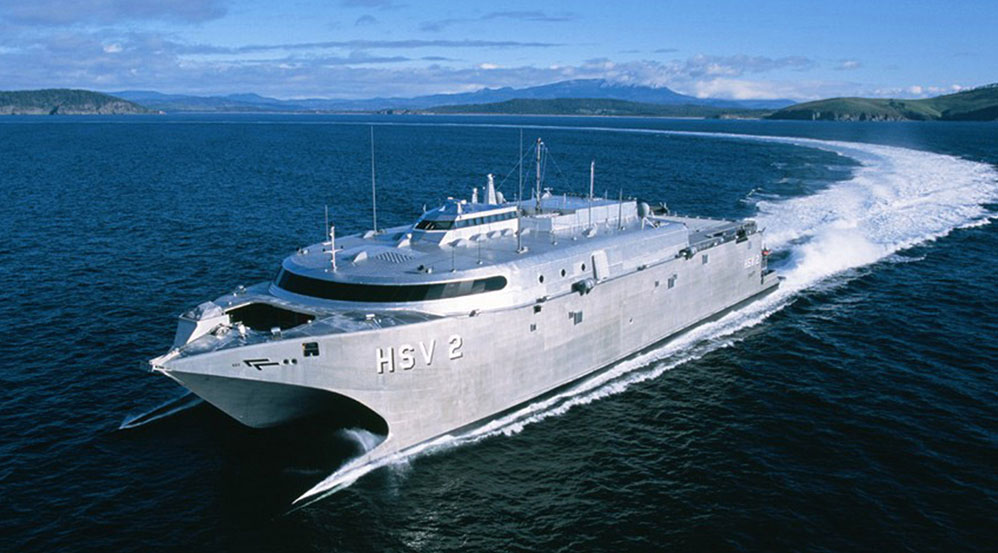
HSV-2 Swift
High-Speed Military Transport
Operated by the U.S. Navy for a period, HSV-2 Swift showcased the capabilities of aluminum catamaran hulls.
- Top Speed: ~45+ knots
- Design: Wave-piercing catamaran
Its lightweight construction and waterjet propulsion allowed it to operate quickly in coastal zones and shallow waters.
USS Independence
One of the Fastest Modern Warships
The Independence-class littoral combat ships were designed for speed and agility.
- Top Speed: 40+ knots
- Hull Type: Trimaran
- Purpose: Coastal warfare and rapid response
These ships combine advanced propulsion systems with a lightweight aluminum structure to maximize performance.
Francisco
Fastest Ferry in the World
Built by Incat in Tasmania, Francisco is a high-speed passenger ferry operating between Argentina and Uruguay.
- Top Speed: ~58 knots
- Power: Gas turbines
- Hull: Wave-piercing catamaran
It is widely regarded as the fastest conventional ferry in service.
The Blue Riband: The Atlantic Speed Crown
For decades, passenger liners competed for the prestigious Blue Riband, awarded to the ship with the fastest Atlantic crossing. Notable contenders included:
- RMS Queen Mary
- SS Normandie
This rivalry fueled innovation in hull design, steam turbine development, and hydrodynamics.
What Makes a Ship Fast?
Speed at sea depends on several key factors:
- Hull Design – Slimmer hulls reduce drag. Catamarans and trimarans increase stability at high speeds.
- Power-to-Weight Ratio – Gas turbines provide tremendous power with relatively low weight.
- Propulsion Systems – Waterjets allow vessels to reach high speeds while improving maneuverability.
- Materials – Aluminum and advanced composites reduce displacement.
Why We Don’t Build Ultra-Fast Ocean Liners Anymore
Today, speed is less important than fuel efficiency and cargo capacity. Container ships cruise at 18–22 knots to conserve fuel, and cruise ships prioritize comfort over record-breaking velocity.
However, in military and specialized commercial roles, speed remains critical.
Final Thoughts
The fastest ships in history represent a unique intersection of power, design, and ambition. From the legendary SS United States to modern high-speed ferries and naval vessels, these ships prove that even on water—where resistance is immense—human engineering continues to push the limits.
If you’d like, I can also write a version focused specifically on the fastest military warships ever built or the fastest racing boats in history.